

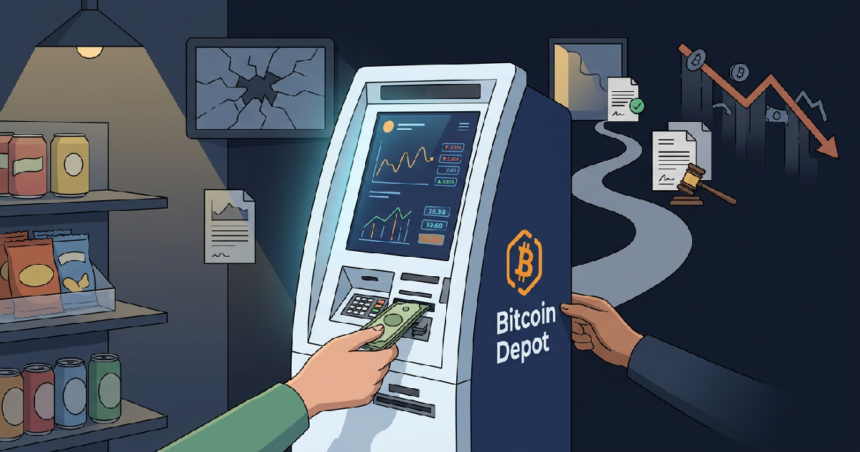
Bitcoin Depot, a prominent operator of cryptocurrency kiosks, has reportedly filed for Chapter 11 bankruptcy protection. The company, which is based in Atlanta, operates one of the largest physical distribution networks for digital assets across the United States. This news follows reports of mounting operational debt and a broader cooling of the retail-focused cash-to-crypto market sector, signaling a potential contraction for the industry.
The filing is intended to allow the company to maintain its daily operations while restructuring its finances and negotiating with various creditors. Management indicates that this path is necessary to preserve the value of the business while addressing the high costs associated with maintaining a massive physical presence. For years, these kiosks have served as a critical bridge for individuals who prefer using cash to enter the digital asset ecosystem.
Recent shifts in the market have placed immense pressure on hardware-intensive business models. As utility shifts dictate market winners, companies with high fixed costs for security and maintenance are finding it difficult to remain competitive. Maintaining thousands of units requires constant capital, which becomes a significant burden when transaction volumes do not meet institutional expectations or when consumer interest fluctuates.
Challenges facing the physical crypto kiosk model
Operating a vast network of physical machines across North America has become increasingly difficult due to logistical and regulatory hurdles. The Consumer Financial Protection Bureau (CFPB) has previously looked into concerns regarding fees and consumer risks associated with crypto kiosks. These external factors, combined with a tightening credit market, have reportedly made it harder for companies in this space to sustain growth without significant restructuring.
Modern consumers are also shifting their behavior toward digital platforms that offer more features than a physical kiosk can provide. Even as Morgan Stanley expands Bitcoin access for wealthy clients, the cash-heavy retail segment is facing stiff competition from mobile-integrated banking apps. This divergence suggests that while institutional interest remains, the physical infrastructure of the crypto world must evolve to survive current economic conditions.
Operational hurdles and regulatory pressure
The regulatory landscape for crypto-ATMs has grown more complex, requiring significant investment in compliance and licensing. Each state maintains different rules for money transmitters, and federal agencies have increased their focus on anti-money laundering protocols. The cost of maintaining these systems at scale is reportedly a major factor in the current financial distress facing the sector, leading to narrow margins for many operators.
Reports suggest that the business model has often relied on convenience fees that some users now find prohibitively expensive compared to digital alternatives. As the risk of a sharp correction persists in the broader market, retail investors are becoming more sensitive to transaction costs. This change in user sentiment has left many physical operators with manageable levels of debt under current interest rate environments.
Consequences for the crypto ATM industry
Under Chapter 11 protections, the goal is typically to reorganize the company rather than shut it down entirely. Most of the company’s kiosks are expected to remain functional during the court-supervised process. However, customers may see changes in the availability of service or fee structures as the operator attempts to satisfy its lenders and close its least profitable locations across various regions.
Competitors are likely to monitor the restructuring process to see if valuable assets become available for acquisition. Consolidation is a common outcome in mature industries where large-scale networks struggle with overhead. By acquiring specific high-traffic locations, smaller or more efficient operators might be able to pick up the slack without inheriting the larger debt obligations of a national fleet.
The future of physical crypto access now rests with the bankruptcy court and the company’s ability to find a sustainable path forward. While some see these kiosks as vital for financial inclusion, others argue that mobile technology is making hardware-based solutions obsolete. The outcome of this reorganization will serve as a bellwether for the viability of physical crypto infrastructure in an increasingly digital world.