

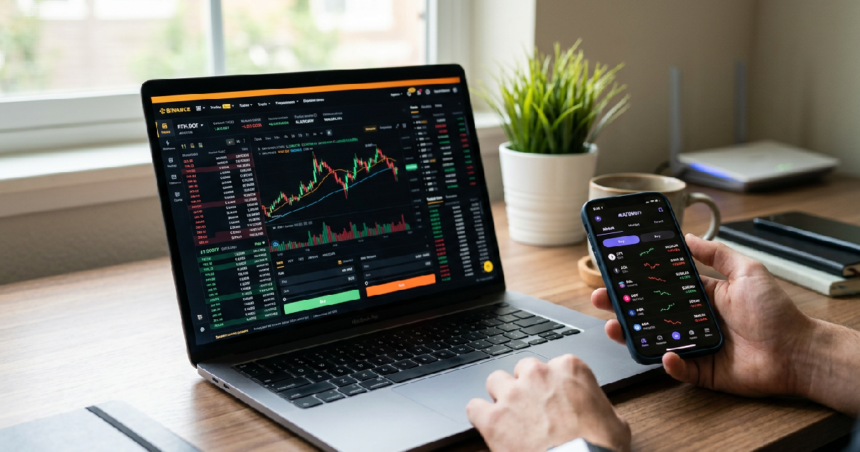
Choosing the best place to buy altcoins in 2026 remains a subjective decision that hinges on a trader’s regional regulatory climate, security priorities, and technical experience. While centralized giants like Binance and Kraken dominate the market with their intuitive fiat on-ramps, decentralized exchanges (DEXs) continue to attract those seeking niche tokens and direct asset control.
The term “altcoin” describes any cryptocurrency alternative to Bitcoin, though many industry experts now exclude Ethereum from this label due to its massive market cap. These assets are not just speculative vehicles; they drive blockchain innovation in sectors ranging from decentralized finance (DeFi) to supply chain management. Understanding where these tokens live is the first step for any serious investor.
For most participants, Centralized Exchanges (CEXs) act as the primary gateway. These platforms function as intermediaries, managing the technical heavy lifting of trade processing and custody. However, the shift toward self-sovereignty has bolstered the popularity of DEXs, which allow for peer-to-peer trading without a corporate middleman or mandatory identity checks.
Top centralized exchanges for buying altcoins
Selecting the best place to buy altcoins often starts by looking at industry leaders known for deep liquidity and expansive token lists. Binance is frequently cited as the strongest all-rounder in the crypto sector. It offers an extensive selection of over 600 cryptocurrencies alongside varied trading options like spot and futures markets.
Kraken is another heavyweight, particularly favored by those prioritizing platform longevity and safety. Since its launch in 2011, the exchange has maintained a reputation for never suffering a large-scale hack. It supports more than 500 cryptocurrencies and 1,500 trading pairs, making it a robust choice for institutional-grade activity.
For traders who are specifically hunting for the widest possible variety, Gate.io arguably leads the CEX pack. It supports hundreds of niche markets, often listing tokens before they reach larger competitors. Meanwhile, platforms like Coinbase and Uphold remain popular for their simplified interfaces, though Coinbase’s selection is smaller at roughly 150 tokens.
How to buy on a centralized platform
The process of acquiring altcoins on a CEX is designed to mirror traditional stock trading. It begins with account creation and mandatory Know Your Customer (KYC) verification. This legal requirement involves providing a government ID to prevent fraudulent activity and ensure compliance with regional financial laws.
Once verified, users can utilize a “fiat on-ramp” to deposit traditional money. This is typically done via bank transfers or credit cards. At this stage, stablecoins could erode bank market share as more traders use them as a bridge between cash and volatile altcoins.
After funds are deposited, the user navigates a trading pair, such as ALT/USDT. They can then place a market order for immediate execution or a limit order to buy at a specific price. Once the trade completes, the altcoins appear in the exchange-managed wallet, ready for withdrawal or further trading.
Decentralized exchanges and niche asset access
Decentralized Exchanges (DEXs) offer a starkly different experience by removing the central company from the transaction. These platforms provide broader access to newer altcoins that may not be available on Binance or Coinbase. They also grant users total control over their private keys throughout the trading process.
To use a DEX, an investor connects a self-custody wallet rather than creating a login with an email address. This allows for permissionless swapping of assets. However, this freedom comes with increased responsibility, as there is no customer support team to assist if a user sends funds to the wrong address.
Security remains a vital consideration in this decentralized realm. Users must be vigilant, as a Hyperbridge security breach or a flaw in a smart contract can result in lost assets. This “wild west” environment requires a higher level of technical knowledge to navigate safely.
Diverse categories of the altcoin market
The best place to buy also depends on the specific type of altcoin sought. “Platform altcoins” like Ethereum, Solana, and Avalanche serve as the foundation for dApps and smart contracts. These are usually highly liquid and can be found on virtually any centralized or decentralized exchange.
Other categories serve more specific functions. Payment altcoins like Litecoin and Bitcoin Cash focus on low-cost transactions. Conversely, “meme coins” like Dogecoin rely on viral social media hype rather than technical utility. These speculative assets often see high volumes on platforms like KuCoin or Gate.io.
Privacy coins, such as Monero, focus on untraceable transactions. Due to regulatory pressure, these are sometimes harder to find on major CEXs and are often traded on more specialized platforms. Despite shifting trends, top altcoins show resilience within their respective niches as market momentum builds around utility.
Final considerations for choosing an exchange
Fees and liquidity should be at the forefront of any trader’s mind when selecting a platform. CEXs offer high liquidity, which means large orders can be filled without causing significant price slips. However, fees can vary, with Coinbase often charging more for its convenience than Binance or KuCoin.
Security features are the non-negotiable part of the equation. Reputable exchanges like Kraken use institutional-grade security and cold storage to protect user holdings. Even with these measures, many experienced investors choose to move their altcoins to a private wallet for long-term storage.
Ultimately, the “best” platform is the one that aligns with your specific goals. If you want ease of use and bank-linked deposits, a CEX is the answer. If you want maximum privacy and early access to the next big project, mastering the mechanics of a DEX is essential for your success.