

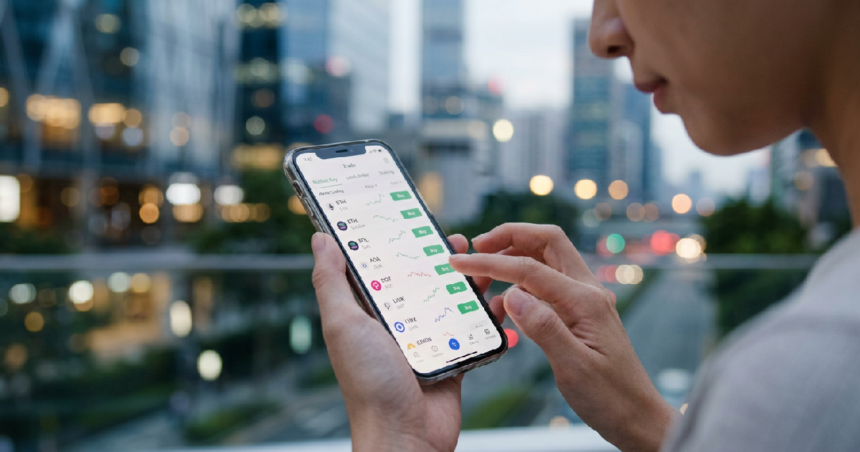
To acquire altcoins, which are technical digital assets other than Bitcoin, individuals typically utilize several distinct methods including direct purchases on exchanges, participation in network consensus mechanisms, or engaging in promotional activities. Each of these acquisition paths carries specific mechanical processes, structural risks, and potential rewards based on the underlying technology of the 14,000 different altcoins currently in existence.
The term “altcoin” functions as a portmanteau of “alternative” and “coin,” often defined as any cryptocurrency other than Bitcoin, though some industry standards also exclude Ethereum. These assets use distributed ledger technology, or blockchain, to record ownership in a decentralized and immutable manner, following a consensus mechanism that secures transaction records and verifies ownership transfers.
Because these assets are generally viewed as a distinct asset class rather than traditional currency, the method of acquisition often dictates how a user interacts with the blockchain. For example, market momentum around utility often drives interest in specific protocols that facilitate these various entry methods, from centralized order books to decentralized liquidity pools.
Mechanical process of buying on centralized exchanges
Centralized exchanges (CEXs) act as intermediaries that match cryptocurrency buyers and sellers, finalizing trades in a consolidated environment. Platforms like Binance, Coinbase, and Gate.io require users to create an account and complete Know Your Customer (KYC) verification by providing personal identification before they can trade.
Once verified, users utilize a “fiat on-ramp” to deposit funds, typically through bank transfers, credit cards, or by converting fiat currency like USD or EUR into stablecoins such as USDT or USDC. Users then search for a specific trading pair, such as ETH/USDT, and place either a market order for immediate execution or a limit order at a specified price.
CEXs typically provide a user-friendly experience and high liquidity for common pairs, but they utilize custodial wallets. This means the exchange controls the private keys, and users do not technically own the assets until they are transferred to a self-custodial wallet. This arrangement introduces counterparty risk; if an exchange faces a security breach or bankruptcy, users may lose access to their assets.
Direct peer-to-peer trading via decentralized exchanges
Decentralized exchanges (DEXs) allow for the direct exchange of altcoins between users without the need for a central intermediary. Unlike centralized platforms, DEXs are non-custodial, meaning users connect a personal crypto wallet, such as MetaMask or Trust Wallet, and retain control of their private keys throughout the transaction.
Many of these platforms, including Uniswap, PancakeSwap, and SushiSwap, utilize Automated Market Makers (AMMs) instead of traditional order books. In these systems, users supply tokens to “liquidity pools,” and algorithms set the market prices based on current supply. This allows users to input a desired amount and have the trade executed automatically via smart contracts.
While DEXs offer increased privacy and control, they are often more complex for beginners. They are also more susceptible to “scam coins” because the listing process is easier than on centralized platforms. Transaction costs, known as “gas fees,” are also a factor, as these depend on the current capacity and demand of the specific blockchain network being used.
Acquiring altcoins through proof-of-work mining
Mining is a specific process used by certain blockchain networks, such as Litecoin, to verify transactions and generate new coins through a Proof-of-Work (PoW) consensus mechanism. Miners use powerful computers equipped with specialized hardware, specifically GPUs or ASICs, to solve complex cryptographic puzzles.
The first miner to find the correct “hash” or solution associated with a block is permitted to add it to the blockchain. As a reward, the miner receives newly created cryptocurrency and transaction fees. Because the process is energy-intensive and difficulty levels adjust frequently, miners often combine resources in “mining pools” to share rewards proportionally.
Staking and the transition to proof-of-stake
Staking serves as the primary alternative to mining for networks that utilize a Proof-of-Stake (PoS) consensus mechanism. Instead of solving puzzles with hardware, participants secure the network by “locking up” a portion of their existing altcoins. In exchange for this commitment, the protocol issues rewards in the form of additional coins.
This method has seen broader adoption as major networks have shifted their structural models. Ethereum previously utilized Proof-of-Work but successfully transitioned to Proof-of-Stake. This shift changed how participants contribute to network security and how new tokens are distributed within that specific ecosystem.
However, users must be aware of the underlying technical risks associated with any protocol. For instance, a security breach in bridged tokens can lead to unauthorized minting, affecting the value or stability of assets held within a network, regardless of the acquisition method used.
Alternative methods and structural risks in acquisition
Beyond buying and securing networks, altcoins can sometimes be acquired through early-stage project funding or promotional activities. These methods often involve different levels of risk and reward depending on the maturity of the project and its functional goals, such as providing enhanced privacy or decentralized finance (DeFi) tools.
Each acquisition method requires different levels of security responsibility. While CEXs offer convenience, they are less likely to list obscure or less established altcoins. Conversely, DEXs provide access to a wider range of tokens but require the user to manage their own security and vet projects for potential scams.
Regardless of the chosen path, the diverse nature of digital assets means that structural shifts in network capacity or consensus mechanisms directly impact how these coins are distributed. Understanding these mechanical differences is necessary for anyone interacting with the more than 14,000 altcoins currently available in the digital asset market.