

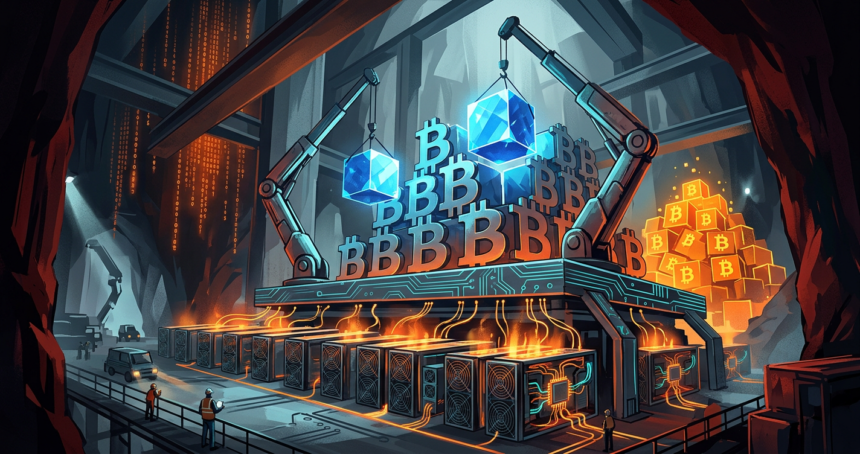
Mining hardware giant Bitmain has signaled a massive vote of confidence in the market, completing a fresh purchase of bitcoin valued at $138 million. The move isn’t a one-off event. It marks a continued trend of the manufacturer aggressively building its balance sheet, effectively doubling down on the asset that fuels its dominant hardware business.
For Bitmain, this latest acquisition serves two purposes. First, it acts as a hedge against the cyclical nature of ASIC miner sales. Second, it reinforces the company’s status as one of the largest corporate holders of digital assets globally. While many tech firms have grown cautious following recent macroeconomic shifts, Bitmain appears to be leaning into the volatility.
Mining Giants Pivot to Balance Sheet Management
There was a time when bitcoin mining companies sold their rewards almost as fast as they earned them. Those days are largely over. The industry has shifted toward a “HODL” strategy, where hardware manufacturers and public mining firms use their cash reserves to buy the dip rather than just mining it.
Bitmain’s streak of purchases comes at a critical time for the sector. As Bitcoin slides as inflation data cools institutional fervor, major players like Bitmain are stepping in to provide a necessary floor for the market. By absorbing $138 million in supply, the company is effectively pulling liquidity out of the exchanges and locking it away in corporate treasury.
Industry observers note that this strategy mirrors that of MicroStrategy, though Bitmain’s relationship with the network is far more functional. They don’t just hold the currency; they build the infrastructure that secures it. This creates a feedback loop where their purchases support the price of BTC, which in turn increases the demand for their high-end S21 and T21 mining rigs.
Hardware Dominance Meets Financial Strategy
The timing of the $138 million buy is particularly telling. Institutional interest has been hit-or-miss lately, with Wall Street shifting its outlook on crypto-linked stocks. While some traditional funds might be trimming their exposure, the firms closest to the “metal”—the hardware manufacturers—are doing the opposite.
It’s a bold move considering the current regulatory climate. The United States has been tightening the screws on certain aspects of the ecosystem, and while Bitmain is a global entity, its financial movements ripple through the Western markets. By continuing its buying streak, the company is signaling that the fundamental math of mining remains sound regardless of short-term price action.
However, some analysts wonder if this concentration of wealth within the hardware sector creates a centralized point of failure. If the world’s largest miner producer is also one of the world’s largest holders, their selling pressure during a potential downturn could be catastrophic. For now, though, Bitmain is strictly in accumulation mode.
Looking Ahead to the Next Halfing Cycle
As we eye the long-term horizon, the behavior of companies like Bitmain often serves as a leading indicator. They have internal data that the public doesn’t—specifically, the volume of orders for upcoming mining hardware. If Bitmain is buying $138 million worth of bitcoin, it suggests they anticipate their customers—the miners—will remain profitable enough to keep buying rigs.
And it isn’t just about bitcoin anymore. Bitmain has been diversifying into different niches, though BTC remains their primary treasury asset. This massive purchase ensures that even if hardware sales slow down in a stagnant market, their balance sheet remains tied to the underlying growth of the network.
The market reaction to the news has been cautiously optimistic. It hasn’t sparked a massive rally, but it has helped stabilize sentiment during a week of indecisive trading. For the average investor, the takeaway is clear: the people who build the network are betting their own cash on its survival.
Frequently Asked Questions
Why is a hardware company buying bitcoin instead of just mining it?
Mining requires massive operational expenses, including electricity and facility maintenance. Buying bitcoin directly allows a company like Bitmain to increase its exposure to the asset instantly without waiting for the slow process of mining or worrying about fluctuating hashrate difficulties. It’s a faster way to deploy excess capital.
Does this purchase mean the price is about to go up?
Not necessarily in the short term. While large buys provide support, they don’t always trigger a bull run. However, it does show that the industry’s biggest players believe the current price is a good value for a long-term hold.
Where does Bitmain store these assets?
For security reasons, Bitmain doesn’t disclose the exact nature of its custody solutions. However, most large-scale corporate holders use a combination of institutional-grade cold storage and multi-signature wallets to ensure their treasury is protected from hacks or internal theft.


