

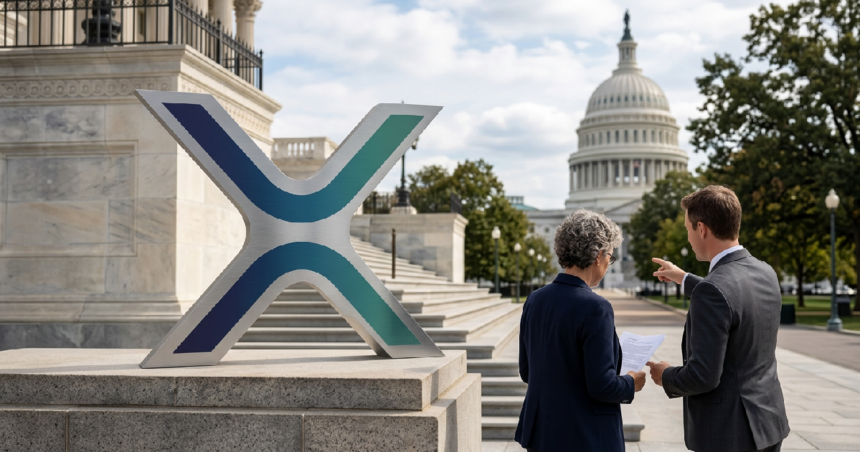
The regulatory standoff that has defined the digital asset sector for years appears to be reaching a pivot point as new leadership in Washington signals a preference for legislative clarity over courtroom battles. For those following XRP, these shifts represent a departure from a long era of litigation-led oversight, moving toward a framework that could finally formalize the token’s role within the financial system.
Market analysts are increasingly vocal about the potential impact of these changes, with some suggesting that the current messaging from federal authorities acts as a metaphorical “reset” for the community. The shift comes at a time when XRP has shown sensitivity to regulatory milestones, often serving as a bellwether for how the broader market navigates its relationship with government agencies.
### A Move Toward Rule-Based Oversight
Recent discussions within the Securities and Exchange Commission suggest a growing appetite for Congress to take the lead. Sources familiar with the matter indicate that the commission is looking toward a comprehensive market structure bill to provide the long-sought roadmap for digital assets. The argument gaining traction in Washington is that the current fragmentation of rules serves neither the investor nor the innovator.
This stance is particularly relevant for the ecosystem surrounding XRP. Since legal challenges began years ago, the primary friction point has been the lack of a clear definition for what constitutes a security versus a utility token. By reportedly moving toward a legislative solution rather than a judicial one, the commission is signaling a pivot toward a more predictable environment. This transition is seen by many as a critical component of the final test for global utility that the industry is currently facing.
### Legislative Tailwinds and Market Sentiment
Complementing the shift at the SEC is a broader focus from the Treasury on financial liquidity and market stability. Market strategists believe the combined momentum of a more innovation-friendly regulatory posture and a Treasury focused on robust capital flows could create a more stable environment for high-utility assets. The logic suggests that once the burden of legal uncertainty is lightened, institutional capital that has remained on the sidelines may find a clearer path into the ecosystem.
And it isn’t just about the rules themselves. The sentiment in Washington appears to have shifted toward viewing digital assets as a component of national competitiveness. While XRP has struggled to maintain ground against Bitcoin during periods of broader market volatility, the promise of a codified legal status could potentially decouple the asset from general market noise.
### The Path to Integration
The core of the recent optimism lies in the implication that the SEC may be seeking to limit its own discretionary power in favor of clear Congressional mandates. For many, this is the endgame they have anticipated for years. If a bill is successfully passed that clearly defines the boundaries of digital asset classifications, the cloud of permanent litigation may finally lift.
But the path forward still contains hurdles. Even with a more cooperative regulatory tone, the legislative process in Washington is famously deliberate. Critics point out that creating a “future-proof” legal framework is a complex task requiring rare bipartisan support. Specific details regarding how certain assets interact with existing banking laws remain a point of contention among lawmakers.
For now, the market is watching the moves of federal leadership with cautious optimism. The shift from an enforcement-first agency to one that appears to be advocating for a legislative shield marks a significant turning point. Whether this translates into sustained growth depends on how quickly these recommendations can be transformed into law.


