By Mark Tyler
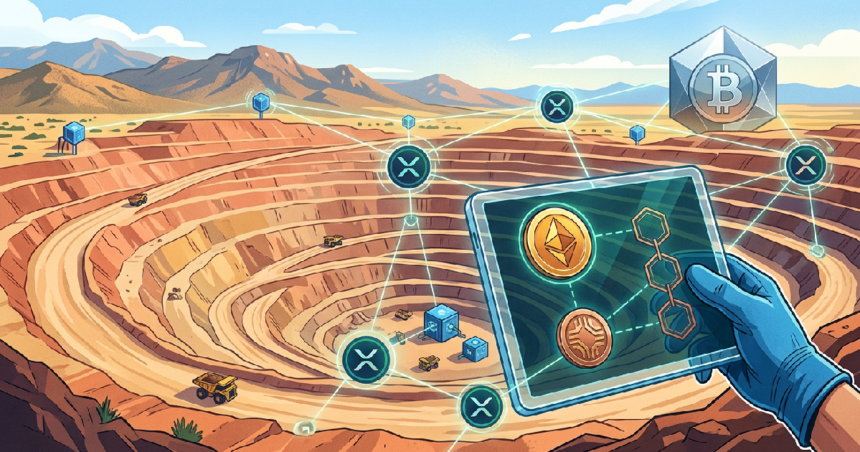
Chainlink has technicality secured its role in a major institutional blockchain project involving the tokenization of a large-scale copper and gold mine in Arizona. The project utilizes the network’s Oracles and Cross-Chain Interoperability Protocol (CCIP) to integrate physical commodity reserves into the digital asset economy. By converting mineral wealth into on-chain tokens, the initiative aims to provide global investors with transparent access to industrial and precious metals.
The move represents one of the most ambitious real-world asset (RWA) projects reported to date, bridging the gap between traditional mining operations and decentralized finance. Chainlink’s infrastructure serves as the technical foundation, intended to ensure the digital tokens accurately reflect the verified value of the physical assets held in the Arizona facility. This development comes as institutional interest in blockchain shifts from speculative trading toward the digitization of high-value physical resources.
Transforming Mineral Rights into Liquid Digital Assets
Tokenizing a mine of this magnitude involves more than just creating a digital voucher. The project uses Chainlink to provide Proof of Reserve, a mechanism designed to give investors transparency into the underlying collateral—which reportedly includes substantial holdings of copper and gold. This data is fed from geological surveys and independent audits directly into the smart contracts governing the tokens.
Mining companies have traditionally relied on complex equity structures or debt markets to fund ongoing operations. By utilizing blockchain technology, the Arizona mine can theoretically bypass some of these hurdles, offering fractionalized ownership or yield-bearing instruments backed by physical production. It’s a significant test for the industry, where
crypto market utility shifts are beginning to dictate which platforms survive long-term institutional scrutiny.
For Chainlink, this deal highlights the capabilities of its CCIP technology. The protocol allows the mining tokens to move across different blockchain networks, ensuring that liquidity is not restricted to a single chain. This interoperability is essential for large-scale institutional buyers who may prefer different ledgers for settlement versus decentralized trading environments.
Improving Transparency in Commodity Markets
The copper and gold sectors often face challenges with opaque reporting and logistical bottlenecks. Smart contracts may help mitigate these issues by automating the distribution of royalties or profits based on production data. When the mine extracts ore, the data is expected to be updated on-platform, potentially triggering automated payments to token holders without the need for manual accounting interventions.
While Bitcoin remains a primary focus for many institutional portfolios, the emergence of RWA projects like this one suggests that the broader ecosystem is maturing. Even as
Bitcoin faces sharp correction risks amid cooling market signals, the underlying appetite for putting “hard assets” on the blockchain appears to be accelerating. The Arizona project serves as a blueprint for how other natural resource companies might manage their balance sheets in the future.
Regulation and the Road to Mass Adoption
The tokenization of a valuable mine carries significant regulatory responsibilities. The project must navigate guidelines regarding securities and commodity derivatives. Recent legislative shifts have already begun to impact how these assets are managed. For instance, the
New Clarity Act blocks interest payments on certain types of digital assets, forcing developers to be more precise in how they structure yield and compliance.
Ensuring that these tokens comply with federal definitions is a primary focus for the project managers. They are reportedly working with legal teams to ensure the tokens are classified correctly, potentially as digitized commodities rather than speculative investment contracts. This distinction is vital for attracting the conservative capital found in pension funds and sovereign wealth funds.
Future Implications for the Mining Industry
If the Arizona tokenization project remains stable and provides the intended liquidity, other major mining hubs are likely to consider similar paths. The ability to manage production through tokens could change how mines are financed, potentially reducing the reliance on traditional lending or more dilutive stock offerings. It also allows the public to hedge against inflation using raw materials without needing to manage physical gold bars.
The focus will remain on the performance and stability of these RWA tokens. If they can maintain a reliable connection to the value of the copper and gold they represent, Chainlink may successfully position itself as a key infrastructure provider for the global tokenized economy. The experiment in the Arizona desert may well prove to be a consequential test case for the practical application of blockchain technology this year.