

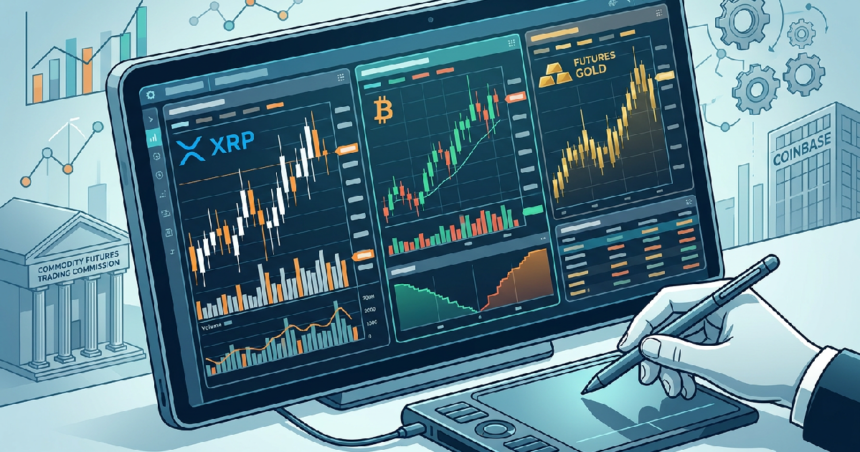
Coinbase Derivatives has reportedly expanded its institutional product suite to include XRP, offering large-scale traders futures contracts through the same regulated framework utilized for assets like Bitcoin and Gold. The decision appears to signify a shift in how the exchange approaches the Ripple-affiliated token, placing it alongside established commodities and digital assets within its derivatives ecosystem.
By providing these tools, the exchange offers a regulated environment where sophisticated investors can manage price volatility or seek exposure through leveraged positions. This expansion comes as XRP momentum restarts following reports of improved liquidity and a changing regulatory outlook in the United States, which has allowed major platforms to reconsider their previous service limitations.
Using these derivatives contracts, institutional players can access the market through an exchange that operates under the oversight of the Commodity Futures Trading Commission (CFTC). These products differ from the retail-centric perpetual swaps found on many offshore platforms, as they are designed to meet the reporting and capital standards required by the domestic financial system.
Bridging the Gap Between Crypto and Traditional Commodities
For a protracted period, XRP faced a complex legal environment due to ongoing disputes with the Securities and Exchange Commission (SEC). But the inclusion of the asset in a product lineup that features Gold and Bitcoin suggests a growing narrative that XRP may fit within a commodity-style regulatory framework. This transition mirrors broader discussions among regulators, including signals that the CFTC is ready to oversee larger segments of the digital asset market as the industry matures.
The arrival of these institutional-grade tools is expected to influence the broader liquidity of the asset. Professional market makers generally rely on regulated futures to hedge the risks of providing liquidity on spot exchanges. If institutional participation increases as some expect, the resulting depth could lead to more efficient price discovery and tighter spreads for all participants, even during periods of market stress.
This push for institutional integration arrives as many analysts project diverging paths for XRP based on its role in cross-border payments compared to its speculative appeal. By facilitating these trades, the exchange is positioning XRP as a staple of the current financial architecture, prioritizing assets that demonstrate enough longevity to withstand intense regulatory examination.
Long-Term Institutional Adoption and Market Structure
While various digital tokens have faced delisting or restricted access in certain jurisdictions, the strategy here reflects a focus on a select group of assets. By concentrating on Bitcoin, Ethereum, Gold, and now XRP, the platform is highlighting which assets it views as possessing the requisite maturity for institutional-grade trading programs.
And the move serves as a litmus test for broader adoption. The ultimate success of these XRP futures will likely be measured by the participation rates of traditional financial firms. If the open interest and volume for these contracts eventually mirror the activity seen in precious metals or major cryptocurrencies, it would bolster the case for XRP’s inclusion in more diverse investment products, such as managed portfolios or exchange-traded funds.
For the time being, the development effectively places XRP in a specific category of digital assets that prominent domestic exchanges consider ready for high-level institutional engagement. This pivot suggests that despite years of uncertainty, the industry is increasingly treating the token as a primary component of the modern digital commodity market.