

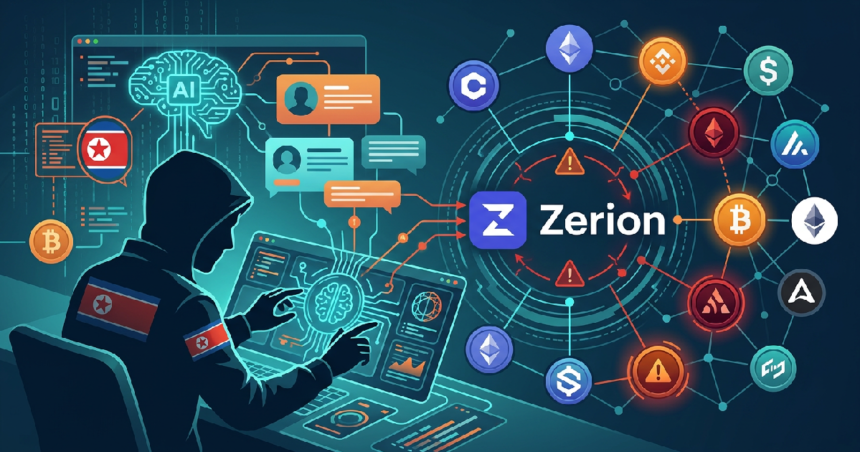
A sophisticated North Korean cyber unit has successfully deployed AI-enhanced social engineering tactics to target the decentralized finance platform Zerion, according to reports from security researchers monitoring the space. The breach marks an evolution in how state-sponsored actors are infiltrating the cryptocurrency industry, moving beyond simple code exploits to highly personalized human deception.
The attackers reportedly spent weeks building trust with individual targets, using artificial intelligence to refine their communication and impersonate legitimate industry figures. This approach allowed them to bypass traditional security perimeters by manipulating the very people responsible for maintaining them. It serves as a reminder that no matter how secure a protocol’s smart contracts may be, the human element remains a primary point of entry for modern cyber-threats.
This incident at Zerion is part of a pattern of long-term social engineering campaigns identified recently within the altcoin sector. These reports follow similar accounts of exploits involving other protocols, such as Drift Protocol, where attackers reportedly siphoned off substantial digital assets using similar groundwork. The common thread between these attacks is the patience of the perpetrators, who no longer seem content with quick exploits, appearing to opt instead for a “long game” that targets deeper access.
The Rise of AI-Driven Deception
For years, North Korean hacking groups have been the primary suspects in major crypto heists. However, the integration of generative AI has changed the math for these organizations. By using AI to draft context-aware emails and messages, they can eliminate many of the linguistic red flags that previously alerted developers and executives to phishing attempts.
Security analysts suggest that these hackers are now creating digital personas, complete with convincing professional profiles and histories. They engage in technical discussions on platforms like Discord or Telegram, eventually leading a victim to download a “collaborative” file or click a link that installs a backdoor. While the digital asset industry faces its final test for global utility, these persistent threats are making the environment increasingly difficult for developers who simply want to build open-source tools.
The Zerion attack reportedly involved a series of these coordinated interactions. By the time the intruders gained the access they sought, they had already mapped out the internal workflows of the team. This kind of intelligence gathering is traditionally the hallmark of high-level espionage, but it is increasingly being used for direct financial theft within the altcoin market.
A Pattern of Persistence Across the Altcoin Market
The targeting of Zerion is seen by many as part of a broader trend where North Korean operatives are systematically searching for liquidity in the decentralized finance (DeFi) space. As more capital flows into the sector, the stakes have risen. Large-scale exploits can destabilize portions of the ecosystem, potentially affecting the confidence of both retail and professional investors who rely on these interfaces.
Recent market movements have shown that even popular assets are not immune to the volatility caused by security fears. While Bitcoin has remained relatively stable while assets like Ether and XRP have lost ground in some trading sessions, the underlying infrastructure of the altcoin market is where the real battle for stability is being fought. A breach at a popular interface like Zerion can have ripple effects, as users worry about the safety of their connected wallets and private keys.
What makes the Zerion situation particularly concerning is the speed at which AI tools are being weaponized. Organizations that were previously worried about basic phishing attempts now have to contend with communications that can mimic the tone and style of a trusted colleague or a potential partner.
Protecting the Human Layer of Web3
Industry observers note that the focus for crypto firms is shifting from purely auditing code to implementing more rigorous “human-layer” protocols. Many companies are now reportedly requiring multi-person verification for changes in administrative access, and some are beginning to conduct simulated social engineering drills to prepare their teams for the reality of state-sponsored activity.
The link between these attacks and North Korean state interests has been discussed at length by international regulators. Stolen funds are often moved through various mixers and cross-chain bridges, theoretically to be converted into hard currency for government use. This geopolitical dimension adds a layer of complexity that typical cybersecurity teams must now learn to navigate.
For the average user, the takeaway is clear: the platforms they use are subject to sophisticated, ongoing interest from threat actors. Even as Solana and other major networks face institutional scrutiny over their performance and demand, the threat of social engineering remains a persistent issue over the DeFi space. If an established project can be targeted by such a campaign, it suggests that many mid-sized protocols may need to be on high alert.
What Lies Ahead for DeFi Security
The fallout from these types of attacks will likely lead to a newer standard of “Zero Trust” architecture within DeFi development teams. This may mean moving away from the loose, collaborative culture that defined the early days of crypto and toward a more rigid security posture. While this may potentially impact the speed of development, it is becoming a necessity in an era where attackers use AI to find any available crack in the armor.
But the hackers are also evolving. As defenses improve, we can expect to see even more creative uses of technology to deceive. The era of the obvious, poorly-worded scam is largely over; the industry is now in the age of the invisible intruder, where the voice on the other end of a call or the developer applying for a role might not be exactly who they appear to be.