

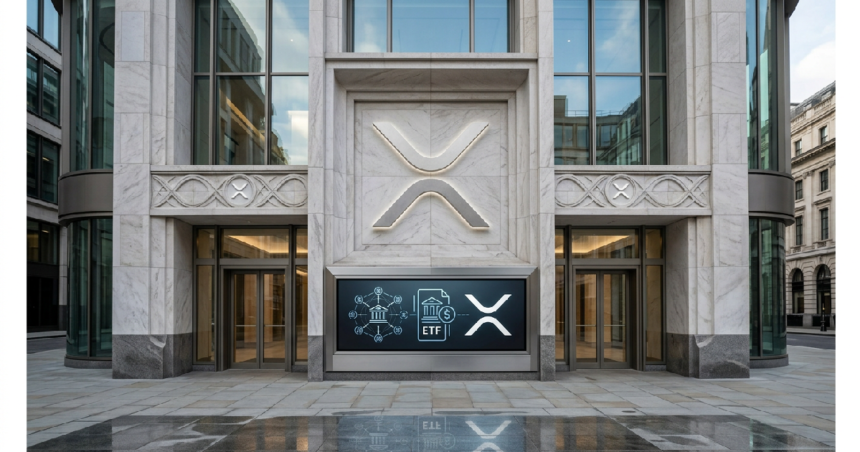
Ripple is stepping up its efforts to position XRP as the cornerstone of the next generation of financial infrastructure. In a series of strategic moves, the San Francisco-based firm is aggressively lobbying for bank-friendly regulatory frameworks while the industry anticipates a formal wave of XRP exchange-traded fund (ETF) applications. The push comes at a time when the distinction between digital assets and traditional banking systems is blurring faster than ever.
The company’s leadership has been vocal about the need for clear rules that would allow institutional players to hold and settle transactions with XRP without the constant shadow of litigation. For Ripple, this isn’t just about price action; it’s about the deep liquidity required for global cross-border payments. The firm argues that once banks have a clear green light to utilize XRP within existing regulatory silos, the asset’s utility will finally outpace its speculative volatility.
Lobbying for Institutional Guardrails
Ripple’s latest regulatory offensive is centered on the idea of “compliance by design.” Rather than fighting the existing banking system, the company is attempting to rewrite how XRP fits into it. This involves working with global regulators to ensure XRP meets the stringent liquidity and risk requirements that Tier-1 banks demand before they can move billions of dollars over a blockchain.
Industry insiders suggest that Ripple’s focus has shifted from mere legal survival to active policy shaping. By pushing for specific rules that address stablecoin integration and bridge currency utility, Ripple is effectively trying to moat XRP against emerging competition from central bank digital currencies (CBDCs). But the path isn’t easy. The U.S. regulatory environment remains a patchwork of overlapping jurisdictions, and Ripple’s ongoing history with the SEC serves as both a cautionary tale and a blueprint for other firms.
The ETF Race Gains Momentum
While Ripple handles the policy side, the investment community is looking toward the potential for an XRP ETF. Following the successful launches of Bitcoin and Ether ETFs, XRP is widely considered the next logical candidate. Several major asset managers are reportedly preparing bids, encouraged by XRP’s unique status as one of the few digital assets with a degree of legal clarity regarding its secondary market sales.
The arrival of an ETF would solve a massive headache for institutional investors: custody. Many large-scale funds are barred from holding digital assets directly on a private key. An ETF wrapper allows them to gain exposure to XRP’s price movements through traditional brokerage accounts. And as analysts project diverging paths for XRP value, the introduction of a spot ETF could provide the liquidity floor needed for the asset to stabilize and grow.
Integration Challenges and Competition
It’s not all smooth sailing. Ripple faces a significant “utility vs. speculation” dilemma. For XRP to function as a bridge currency for banks, it needs to be stable and liquid. However, much of the community excitement is driven by price volatility and the potential for moon-shot returns. Balancing these two worlds is a tightrope walk for Ripple CEO Brad Garlinghouse and his team.
Additionally, the “Clarity Act” discussions in Washington have introduced new hurdles. Recent legislative drafts suggest a move toward blocking interest-bearing features on certain crypto-linked assets, which could impact how banks manage XRP-based liquidity pools. You can read more about how the New Clarity Act blocks interest payments on stablecoins and what that means for the broader ecosystem.
A Pivot to Global Utility
As the “crypto market window” seemingly narrows in 2026, Ripple is banking on the fact that utility will win out over hype. The company has spent years building out its RippleNet and On-Demand Liquidity (ODL) services, and the push for bank rules is the final piece of that puzzle. If Ripple can convince regulators that XRP is a neutral, efficient tool for the global banking system, the ETF bids will likely be the least of its successes.
We are entering a phase where the digital asset industry faces its final test for global utility. For XRP, the next several months will determine if it becomes the back-end plumbing for the world’s banks or remains a permanent “altcoin” staple.
Frequently Asked Questions
Will an XRP ETF be approved this year?
While several firms are preparing bids, the timing remains speculative. The SEC has historically been slow to move on new asset classes, but the precedents set by Bitcoin and Ether make an XRP filing much more likely to succeed than in previous years.
Why does Ripple care about bank rules if XRP is decentralized?
While the XRP Ledger is decentralized, Ripple the company uses the asset in its proprietary software. Banks are highly regulated entities and cannot use toolsets that aren’t compliant with international standards like Basel III. Ripple wants to bridge that gap.
How would an ETF affect the price of XRP?
Generally, an ETF launch increases demand by opening the asset to institutional capital that previously couldn’t buy it. However, market experts caution that much of the “ETF hype” may already be priced in by the time an approval actually happens.


