

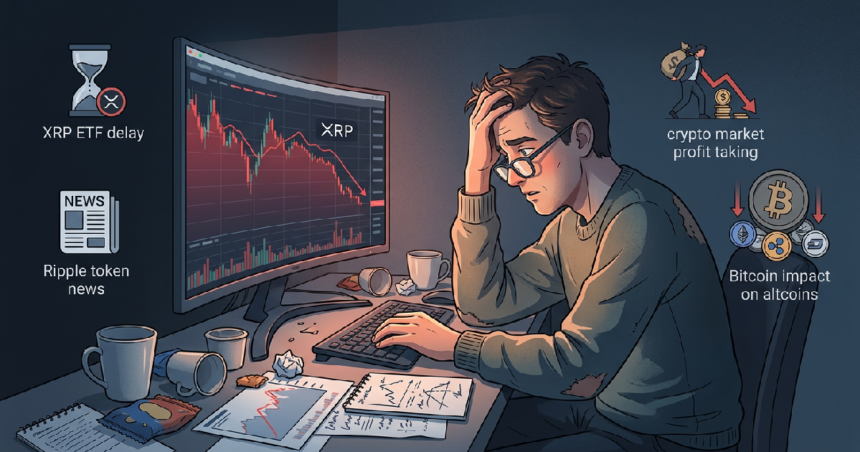
XRP prices fell during Thursday’s trading session as a combination of Bitcoin-led profit-taking and a reported delay in a new investment product dampened market enthusiasm. The Ripple-linked token moved lower after failing to maintain its recent upward trajectory, mirroring a broader cooling across the digital asset sector. This retreat followed a period where the market leader, Bitcoin, appeared to lose momentum after nearing historic valuation milestones, which prompted traders to secure gains in several alternative assets.
The shift in market sentiment suggests that investors are becoming more selective with their positions as broader economic indicators weigh on risk appetite. While various reports indicate an XRP momentum restarts frequently due to local spikes in liquidity, the current lack of follow-through indicates that resistance levels remain a formidable hurdle for buyers. This consolidation phase reflects a recurring pattern where Bitcoin holds support while Ether and XRP face selling pressure during shifts in global market sentiment.
Leveraged ETF Delay Weighs on Asset Outlook
A significant factor contributing to the current price stagnation is the reported postponement of a suite of leveraged exchange-traded funds (ETFs) dedicated to the token. Industry reports suggest that GraniteShares has moved the expected debut of its leveraged products further into the second quarter. This delay has reportedly sapped some of the speculative demand that had built up in anticipation of more sophisticated trading vehicles being made available to retail and institutional investors.
These proposed financial products are intended to offer amplified exposure to the asset’s price movements, a secondary market development that many hoped would drive fresh volume into the ecosystem. Without this immediate catalyst, short-term speculators appear to be rotating capital into and out of more volatile sectors or moving to cash. This pause in product deployment comes as the regulatory landscape remains a primary concern, particularly as Michael Gillick says CFTC is ready for a larger role in market oversight, potentially shifting the requirements for derivative-linked crypto products.
Market Resistance and Technical Consolidation
From a technical standpoint, the asset is currently struggling to overcome a well-defined resistance ceiling that has capped several recent rally attempts. Market participants note that without a decisive close above these psychological levels, the risk of a drift toward lower support floors remains high. The recent failure to sustain a breakout often precedes a period of range-bound trading where neither buyers nor sellers can establish a clear trend.
Current trading volume suggests a temporary lack of conviction among participants who are waiting for clearer signals from the broader macro environment. Some analysts believe that the current rejection of higher price points is a sign of “profit-taking exhaustion” after a strong performance throughout the earlier parts of the year. Until a major news event or institutional development changes the narrative, the market expects a period of sideways movement as the asset searches for a more stable floor.
Looking Ahead to the Second Quarter
The outlook for the Ripple-linked token remains closely tied to the movements of the wider crypto market and the eventual timeline for its first leveraged ETFs. Most traders expect the asset to continue tracking Bitcoin’s performance in the coming weeks, acting as a high-beta play on the overall health of the digital asset industry. If the broader market resumes its climb, it could provide the necessary momentum to lift altcoins through their current technical barriers.
However, caution is still the primary sentiment across trading desks. The delay in the GraniteShares product launch gives institutional observers more time to evaluate the regulatory climate before committing to larger positions. For the remainder of the month, the focus will likely shift to internal network developments and whether the asset can maintain its current range without succumbing to deeper corrections led by broader market volatility.