

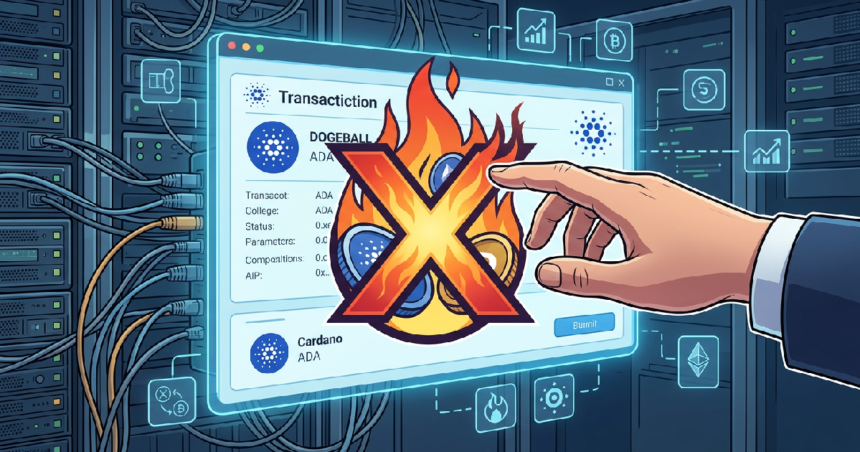
The developer of the DOGEBALL project, Samuel Msiska, has reportedly initiated a strategic extension of the ecosystem’s presale phase following a period of sustained participation from early adopters. This decision by the development team arrives alongside a substantial reduction in the total token supply, as the project reportedly executed a permanent burn of a significant portion of its presale allocation. This move is designed to introduce artificial scarcity before the platform transitions into a structured, multi-stage pricing model intended to drive value through deflationary mechanics.
The project sits at the intersection of gaming and decentralized finance, utilizing a dual-purpose architecture dubbed GameFi and PayFi through its proprietary application. This system aims to facilitate international remittances, purportedly allowing users to send digital assets that are settled as local fiat currency in traditional bank accounts. By utilizing a custom Layer 2 blockchain, the developers intend to overcome the transaction fees and settlement delays often associated with legacy financial institutions. As the market shifts toward practical applications, utility shifts dictate 2026 market trends, favoring projects with functional use-cases.
Institutional Stability and the Role of Alternative Assets
While the extension of the DOGEBALL presale captures the interest of those seeking growth in emerging projects, the wider cryptocurrency market remains anchored by the performance of legacy assets. Bitcoin has recently shown signs of price stabilization, a trend many analysts attribute to the steady accumulation of supply by Wall Street spot ETFs. This institutional backing continues to provide a floor for the market, even as Bitcoin faces sharp correction risk during periods of heightened volatility.
Ethereum likewise remains in a period of technical consolidation while maintaining its dominance over the decentralized finance sector. The expansion of liquid restaking protocols and the rapid growth of Layer 2 rollups have reinforced the network’s foundation. Some market observers suggest that Ether enters a rare accumulation phase as these scaling solutions begin to process a larger share of global transaction volume, potentially setting the stage for future growth cycles.
Deflationary Mechanisms and Ecosystem Incentives
The decision by the DOGEBALL team to burn a significant percentage of the presale supply reflects a broader industry trend where developers prioritize tokenomics to manage market demand. The project has reportedly moved into a strict schedule where remaining presale stages are time-limited, with various reports indicating that any tokens not sold within these defined windows are slated for automatic destruction. This aggressive strategy aims to support a higher exchange launch price compared to the initial entry levels offered to early participants.
The utility of the underlying token is central to the project’s roadmap, serving as the primary fuel for the entire network. According to project documentation, the token is required for several key functions:
- Staking incentives for those holding the asset long-term
- Network transaction fees to power the global payment gateway
- In-game microtransactions within the ecosystem’s gaming environment
Market Competition and Regulatory Considerations
As newer projects like DOGEBALL attempt to carve out a niche, established Layer 1 protocols continue to vie for market share in the payments industry. Solana remains a prominent choice for high-speed transactions, though it faces increasing competition from the maturing Ethereum ecosystem. At the same time, assets such as XRP continue to be utilized by financial institutions for liquidity management. The shift toward utility-weighted portfolios suggests that the era of speculative meme coins may be giving way to projects that can demonstrate a sustainable revenue model.
The regulatory environment also continues to evolve as global authorities introduce new frameworks for digital assets. Legislation such as the Financial Innovation and Technology for the 21st Century Act aims to provide more clarity for the industry. Projects that incorporate transparent burn mechanisms and clear utility may find themselves better positioned to comply with these emerging rules. Data from the Blockchain.com explorer suggests that on-chain activity is increasingly driven by smart contract interactions, supporting the case for projects that integrate payment gateways directly into their blockchain infrastructure.
Roadmap Progress and Future Protocol Milestones
The coming period is expected to be a pivotal time for the development of the DOGEBALL roadmap. Following the conclusion of the timed presale stages, the project is reportedly preparing for its debut on public trading platforms. The developers indicated they are working with various partners to facilitate this transition and ensure sufficient liquidity is available during the initial weeks of public listing.
For participants monitoring these developments, the transition between presale stages serves as a key indicator of the project’s momentum. As the price is expected to adjust upward at the start of each new phase, the window for earlier entry levels remains limited. These developmental milestones will likely determine whether the project can successfully migrate from a local presale environment to a broader, liquid market while maintaining its deflationary objectives.